Let me start by saying this:
No judgement here, I promise.
If you’re taking a GLP-1 medication, or considering it, you made that decision with your doctor, for your reasons, and those reasons are valid. Period. What I am here to do is make sure you understand what’s happening in your body and how to protect yourself while you’re on it.
Getting right to the point – these medications change what your body needs from you. 🔴And if you’re not paying attention, you can lose a lot more than weight.🔴
I went deep on the research so you don’t have to. ☕ Let’s talk.
A Quick Primer (I Had to Learn This Too)
GLP-1 stands for glucagon-like peptide-1. It’s a hormone your gut naturally releases after you eat. GLP-1 medications mimic that hormone, which suppresses appetite, slows digestion, and quiets what many people call “food noise,” that constant mental loop of what am I eating next, when am I eating next, why am I still thinking about eating.
You’ve heard the names by now. Ozempic and Wegovy (Mfg: Novo Nordisk). Mounjaro and Zepbound (Mfg: Eli Lilly). They were originally developed for Type 2 diabetes, but the weight loss results were so amazing that they quickly became some of the most prescribed medications in the country. This is crazy – as of 2025, about 1 in 8 American adults have taken one. One in eight. With our country in the midst of an obesity epidemic, these stats shouldn’t surprise me but they do.
Clinical trials show average weight loss in the 15–20% range. So yes, they WORK. Powerfully! (these results are similar to gastric bypass surgery results!)
But that’s where things get complicated.
The Part They Don’t Put in the Commercial
When you lose weight on a GLP-1, you’re not just losing fat.
You are also losing lean body mass. That includes muscle, bone, and even organ tissue. (👉Before you tune me out, remember that your heart is a muscle, soooo this is kind of a big deal)
Research suggests that up to 40% of the weight lost on semaglutide can be lean mass rather than fat. Scientists are still debating how much of that is actual skeletal muscle versus water and organ mass, but the concern is still very real. Especially for women over 40.
Quick Definitions:
Semaglutide = the active ingredient in Ozempic and Wegovy (both by Novo Nordisk)
Tirzepatide = the active ingredient in Mounjaro and Zepbound (both by Eli Lilly)
These are two slightly different drugs, but Tirzepatide targets two hormones instead of one, which is why it tends to produce slightly more weight loss.
Here’s why losing muscle mass matters.
Let me be your fitness geek for a second. Muscle is your metabolism. Less muscle means a slower resting metabolic rate. That means you’re gonna burn fewer calories just sitting at your desk. So if you lose muscle while losing weight, then come off the medication later, you’re set up to regain weight faster than before, because your lowered muscle mass isn’t working in your favor.
Now let me be your menopausal fitness bestie. Muscle is your independence. For women in their 50s, 60s, 70s and beyond, muscle is what allows you to carry groceries (in one trip), get off the floor easily, climb stairs, and live on your own terms. Losing muscle affects your life profoundly.
Are you 40+? Bone density takes a hit, too, and girl, you need to care about this! Older adults and postmenopausal women face a higher risk of bone loss on these medications, especially when nutrient intake drops. And spoiler alert: it almost always drops.
The Protein Problem Nobody Is Talking About
Here’s the cruel irony of GLP-1s.
The very thing that makes them effective (appetite suppression) is also what puts you at risk when there’s no fitness & nutrition plan in place.
Studies show that people on GLP-1 medications eat anywhere from 16%–39% fewer calories than those who aren’t. That means less of everything, including protein. And protein is the one thing your body desperately needs more of during weight loss to protect muscle.
Most experts now recommend that people on GLP-1s aim for roughly 1.2 to 1.5 grams of protein per kilogram of body weight per day. Let me translate that into real life: a 180-pound woman should be shooting for roughly 98–122 grams of protein per day. A 250-pound woman, roughly 136–170 grams. And I get it – when half a chicken breast fills you up, hitting those numbers takes serious intention.
But here’s the thing I really want you to hear.
If you’re on a GLP-1 and not intentionally prioritizing protein, your body will break down its own muscle for fuel. And not because the drug is attacking your muscle. Your body is simply doing what it’s designed to do when it’s not getting enough protein – use its own muscle tissue as fuel. 🫣 We don’t want that. That is bad.
What Happens When You Stop
the catch 22.
Research published in January of this year (2026) shows that after stopping newer GLP-1 medications, people regain weight at an average rate of about 1.8 pounds per month. Projections suggest many return to their starting weight within roughly 18 months. A separate large study from November 2025 found that about 50%–60% of lost weight was regained within the first year alone.
Now here’s the good news, and it’s really good.
The research is clear: people who strength train while on GLP-1s have significantly better outcomes across the board. More fat loss. More muscle preserved. Better long-term weight maintenance. Better metabolic health overall.
In other words: Strength training is the habit that makes GLP-1’s actually work for you, long-term.
Why do I need to work out if I’m losing weight?
I know what pops into a lot of people’s heads here.
“I’m already losing weight. Why do I need to work out?”
Well, because “thin” does not automatically equal healthy.
And what you lose matters just as much as how much you lose.
And here’s the mindset shift I really want you to sit with.
The goal is to build muscle back.
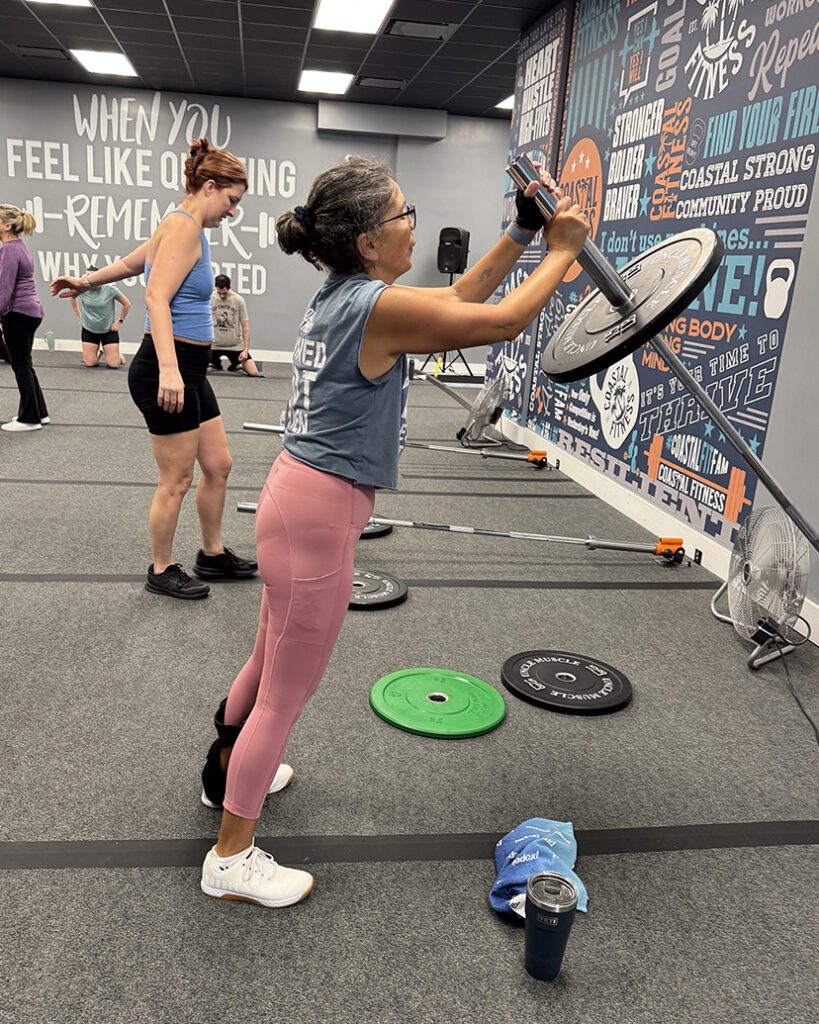
That means progressive strength training. Gradually increasing the challenge on your muscles so they have a reason to adapt and grow. More resistance. More reps. New movements. Not random workouts. Not just a daily walk. A real strength training plan.
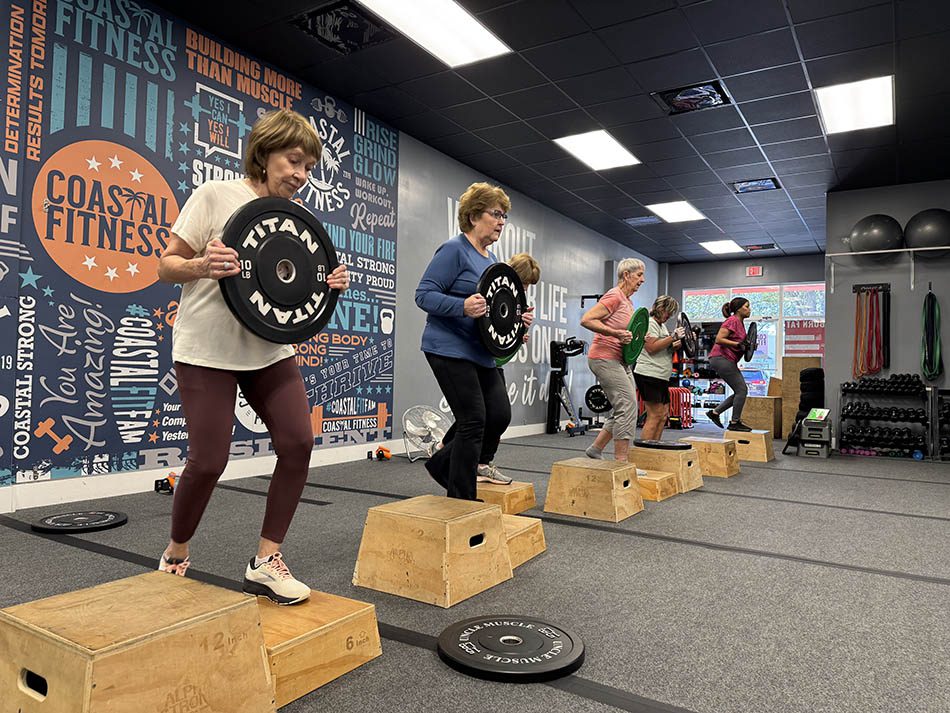
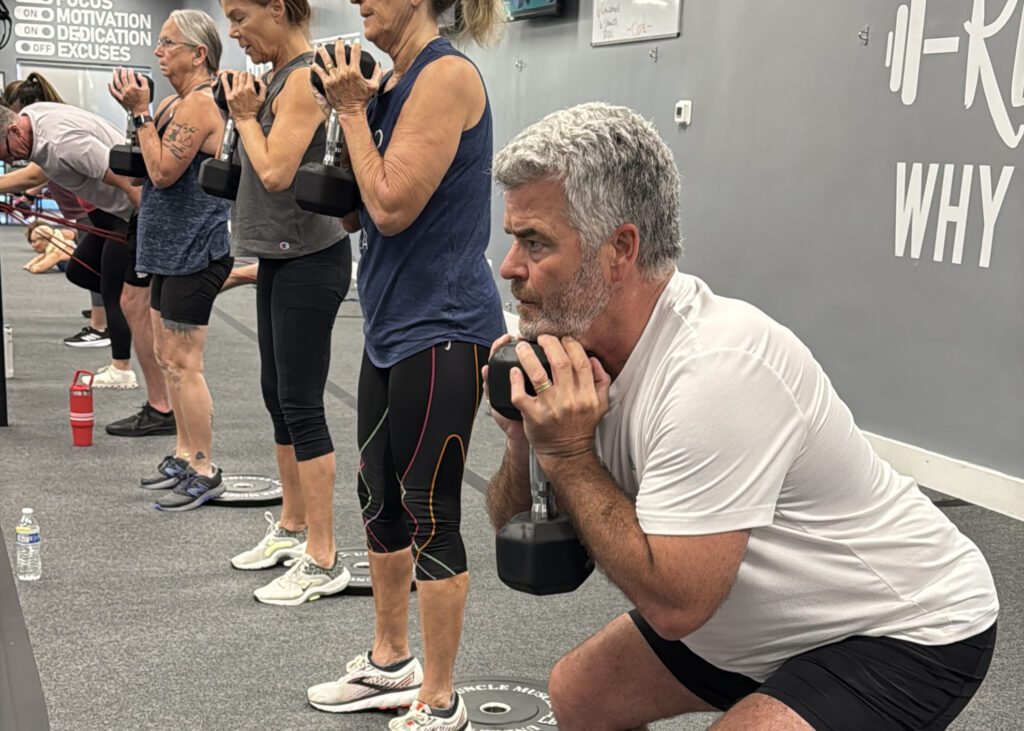
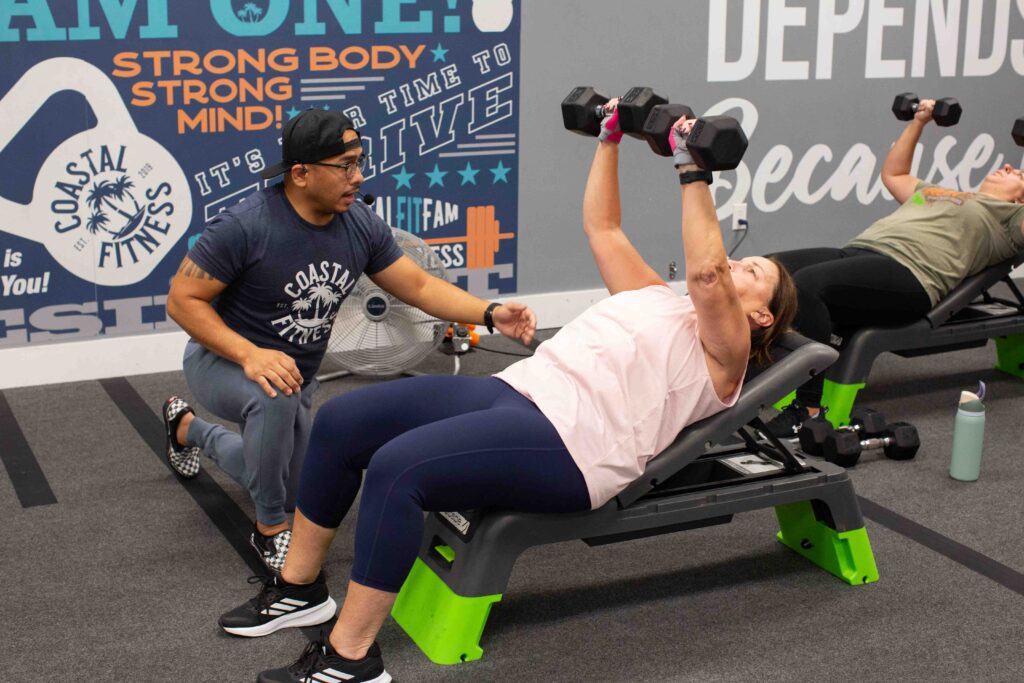
This is one of the hardest things for our members to wrap their heads around as I pass them a heavier dumbbell: weight-bearing exercise strengthens bone. Progressively heavy loads directly counteracts the bone density risks that come with rapid weight loss.
And just in case it needs to be said again: being thinner is not the same thing as being healthier. Your body still needs movement. Period.
Working out when you’re on these medications is a necessity.
Okay, So What Do I Actually Do?
If you’re on a GLP-1, or thinking about starting one, here’s what the evidence consistently supports.
- Strength train 3-4 times per week. Non-negotiable if you want to protect (and build) muscle. It does not have to be intimidating or time-consuming, but it does need to be intentional, consistent, and progressive.
- Prioritize protein at every single meal. Work with your doctor or a registered dietitian, but general guidance lands around 1.2 to 1.5 grams of protein per kilogram of body weight per day. (180-pound woman = roughly 98–122 grams daily. 250-pound woman = roughly 136–170 grams.) Protein comes first on the plate. Every time.
- Support your bones. Calcium, vitamin D, and magnesium matter more than ever when your overall food intake drops.
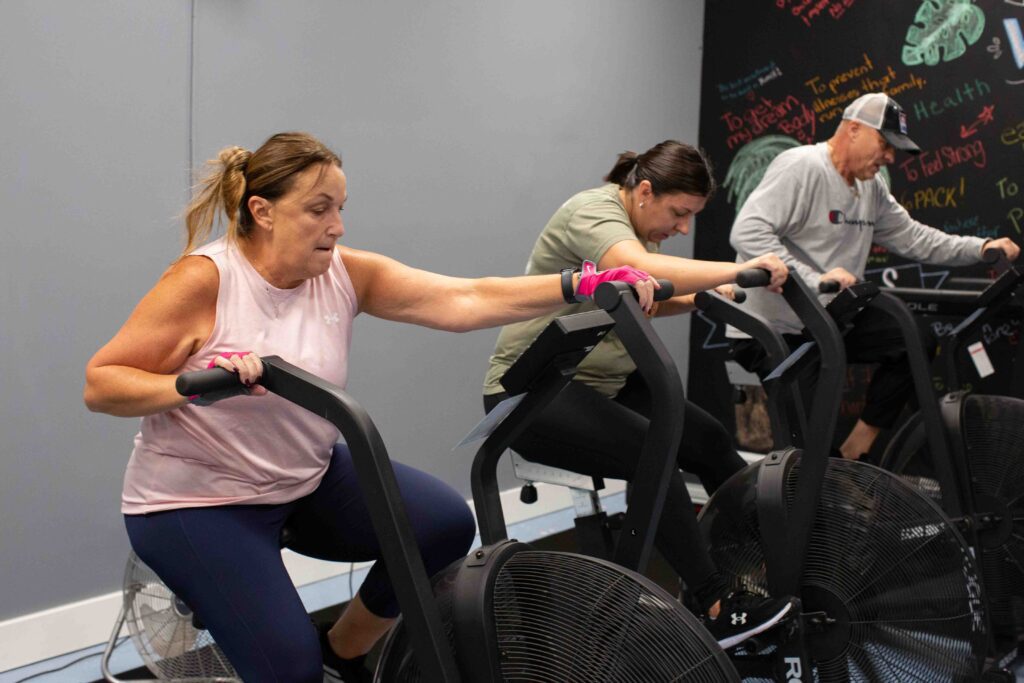
- Move outside of your workouts. Daily movement still counts. Walking 8,000 steps a day is a solid, low-impact baseline that adds up.
- Don’t do this alone. Having a coach or community that understands what your body is going through on these medications makes a massive difference. This is new territory for a lot of people, and trying to navigate it solo is how lasting damage gets done without even realizing it.
One More Thing Worth Knowing
I want to be transparent with you.
These medications are expensive without insurance or discounts (depending on dose and injectable vs pill). The two companies behind them, Novo Nordisk and Eli Lilly, are reporting historic profits. There are also thousands of active lawsuits from patients who say they were not adequately warned about serious side effects, including stomach paralysis and vision loss. As of early 2026, none of these cases have been settled.
I’m not telling you this to scare you.
I’m telling you so you can ask better questions, read beyond the commercials on tv, and make truly informed decisions about your health. Whether you take these medications or not, your body still needs care, strength, and someone in your corner.
The Bottom Line
GLP-1 medications can be a powerful tool.
But the medication can only do its part. You still have to do yours.
If you’re investing in these medications, financially, physically, emotionally, then investing in strength training and proper nutrition is how you protect:
- Your muscle
- Your bones
- Your metabolism
- Your independence
- Your ability to keep the weight off long-term
Talk to your doctor about the medication. But when you’re ready to figure out the fitness and nutrition side of this, we’re here for that. 💛
Your Next Step
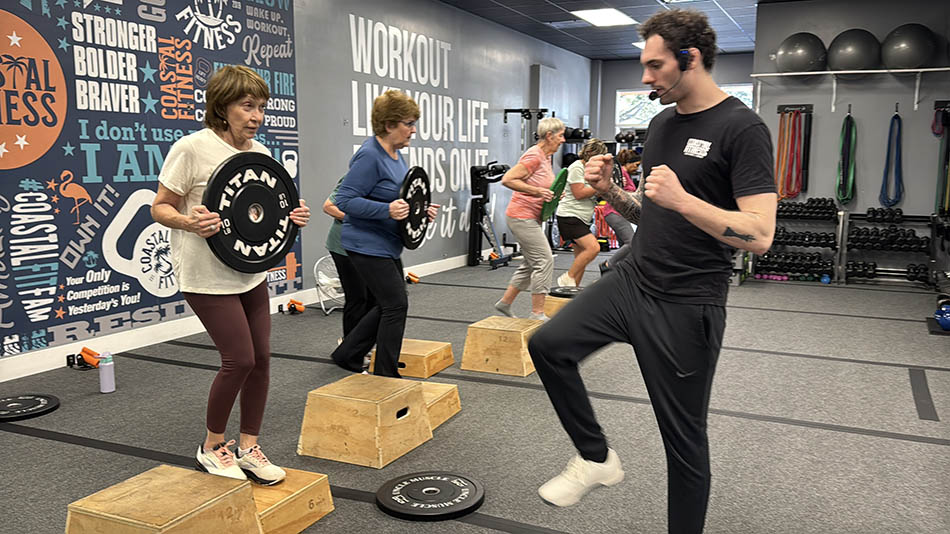
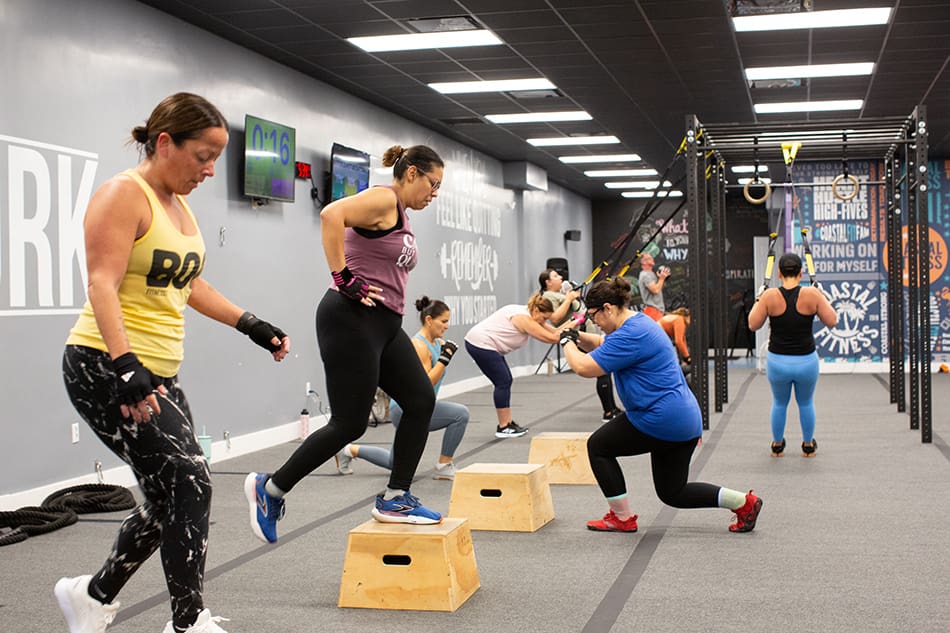
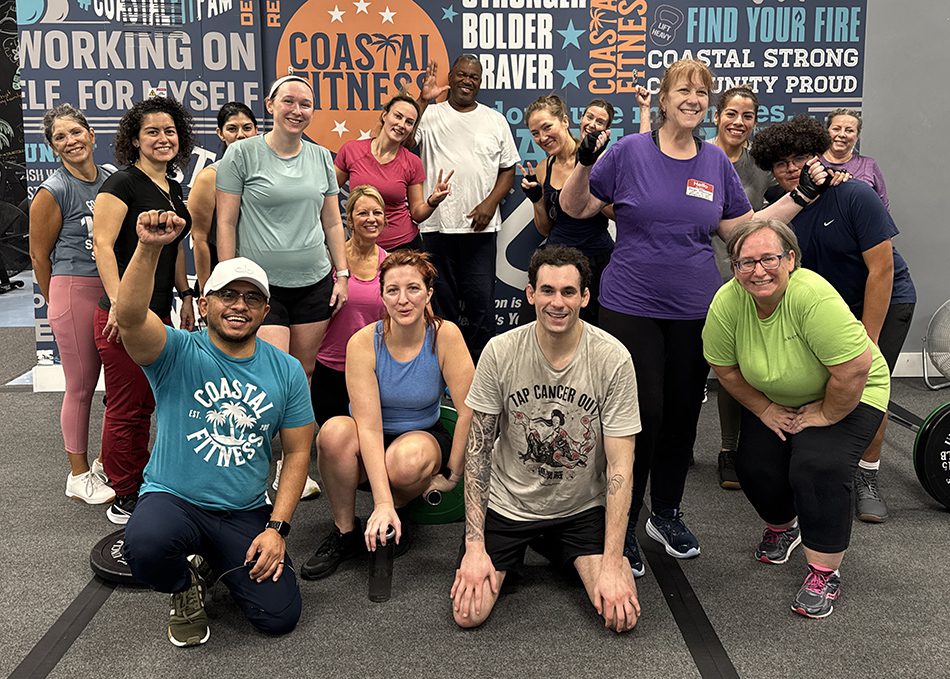
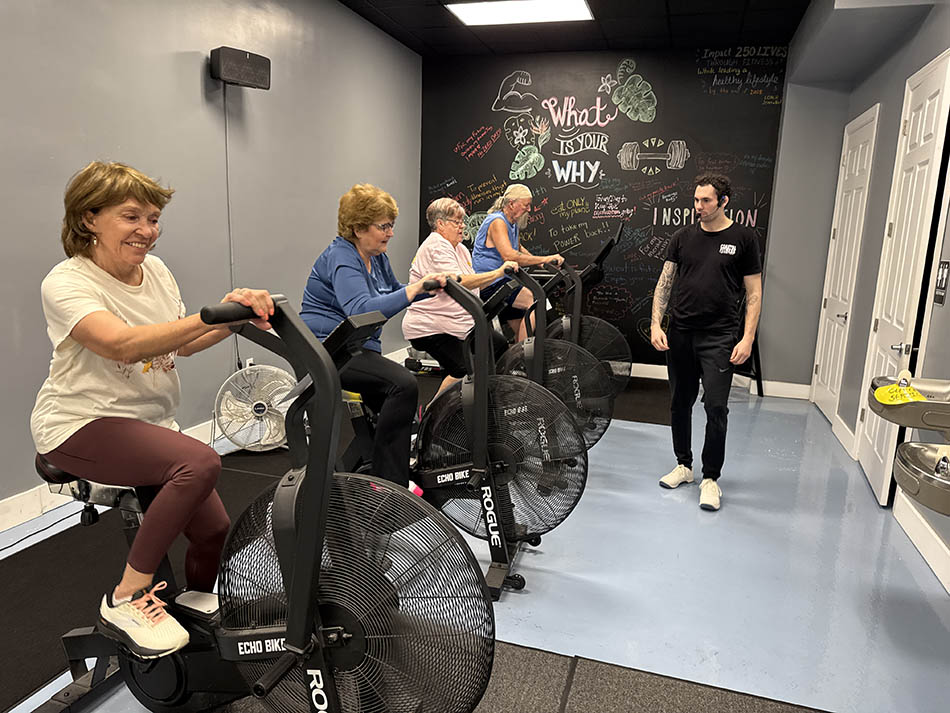
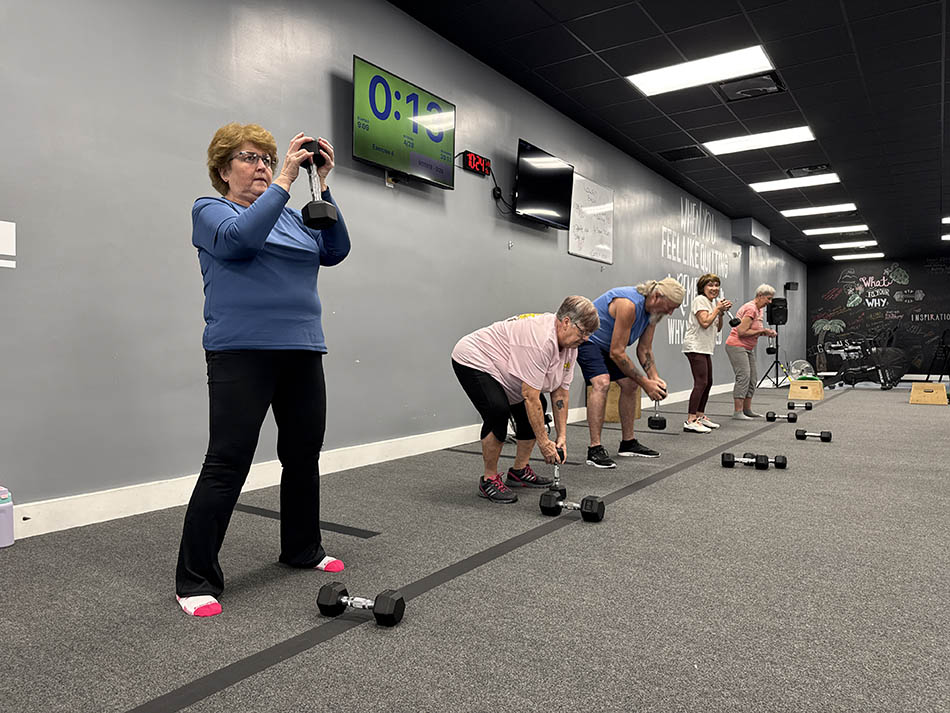
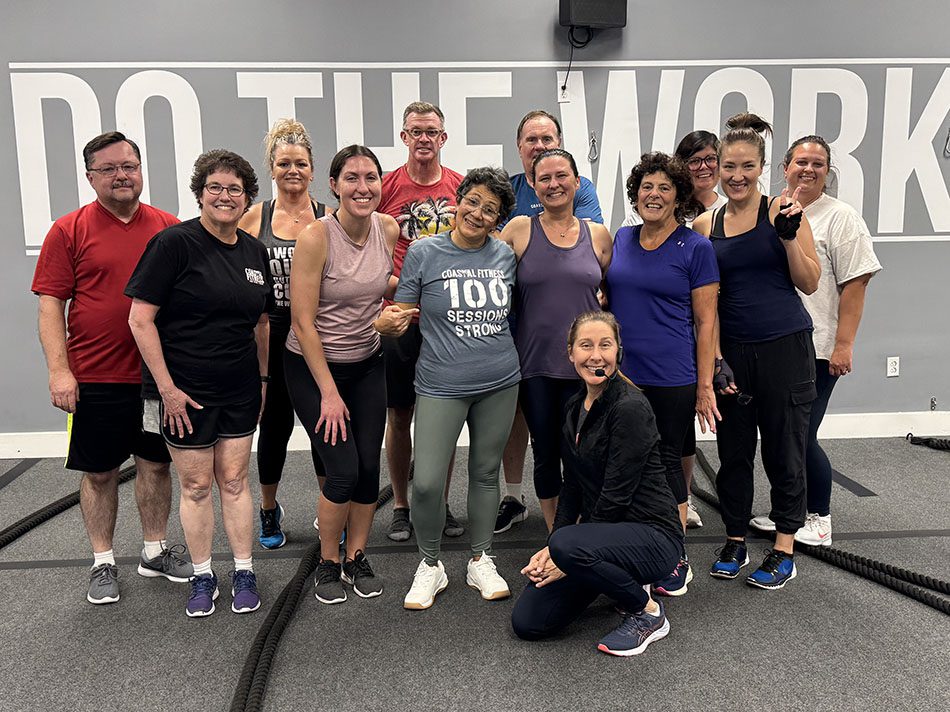
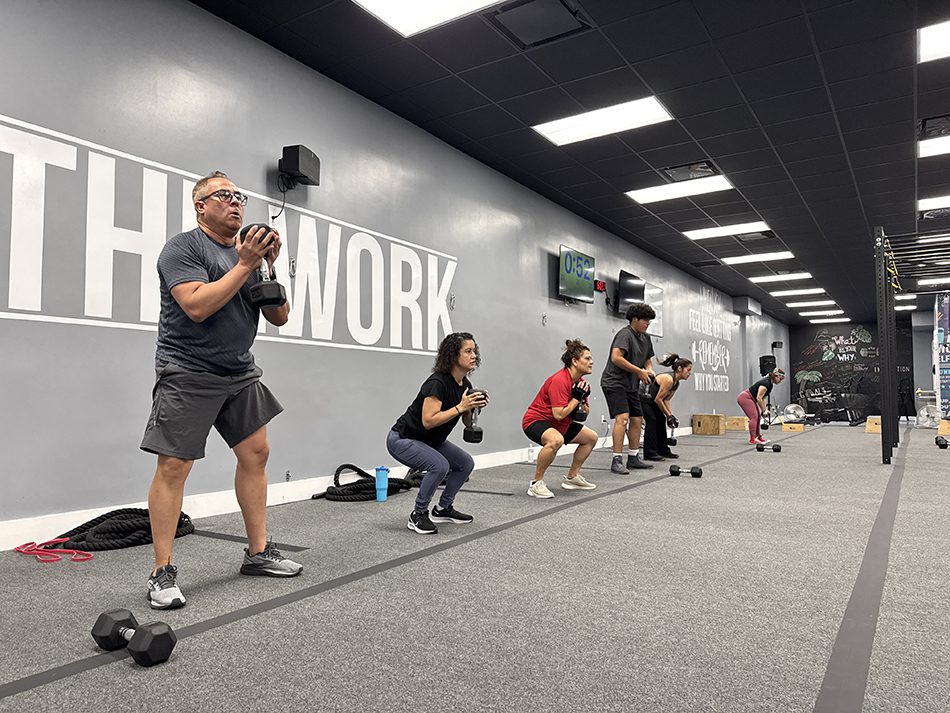
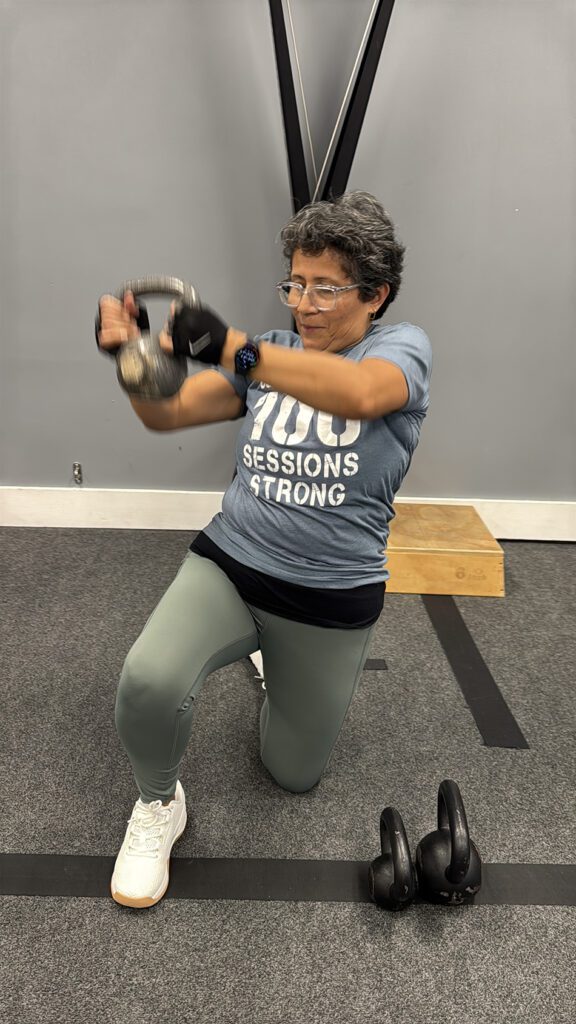
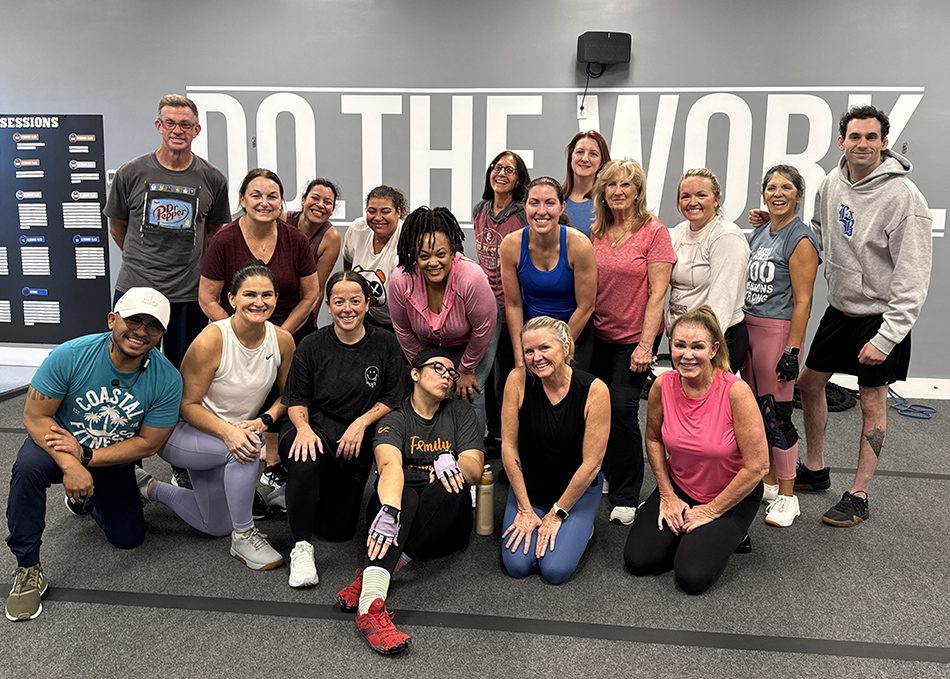
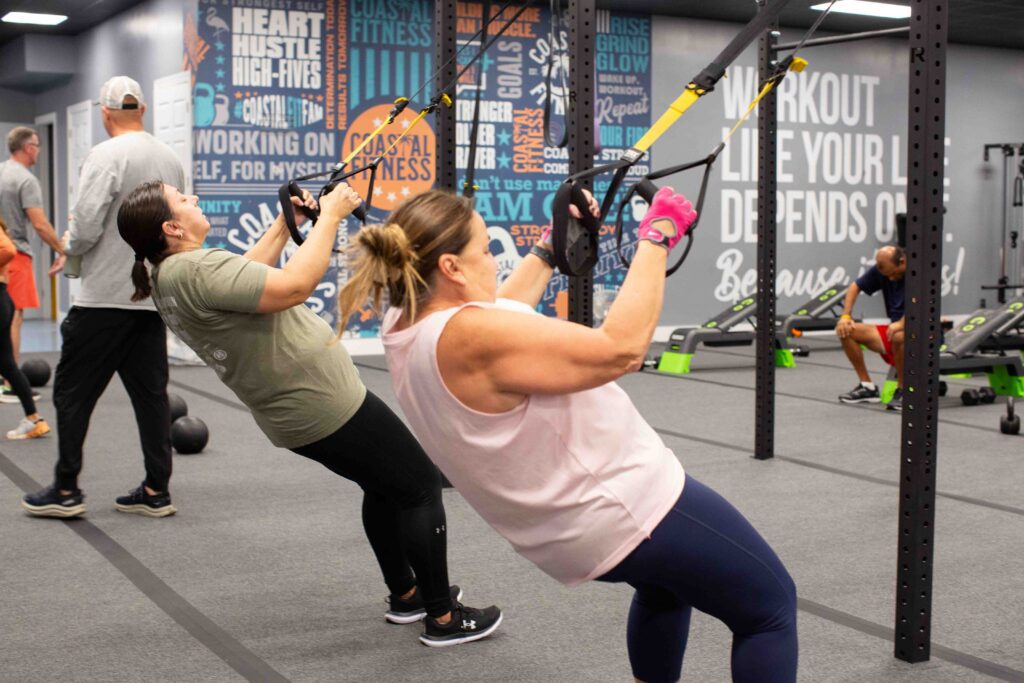
We have a place for you here. Whether you’re a new mom or a great-grandma. Let us help you. We offer a fully-guided 30-minute workout for ALL ages and fitness levels. Many of our members come to us saying, “I haven’t worked out in decades – I need help!” We gotchu! The hardest part is walking through the door on your first day. After that, you’re part of the family. 💛
Try our 21-Day Jumpstart program – a beginner-friendly, fully coached way to build real strength with guidance every step of the way. It’s the perfect starting point for beginners or those wanting to get back into working out.
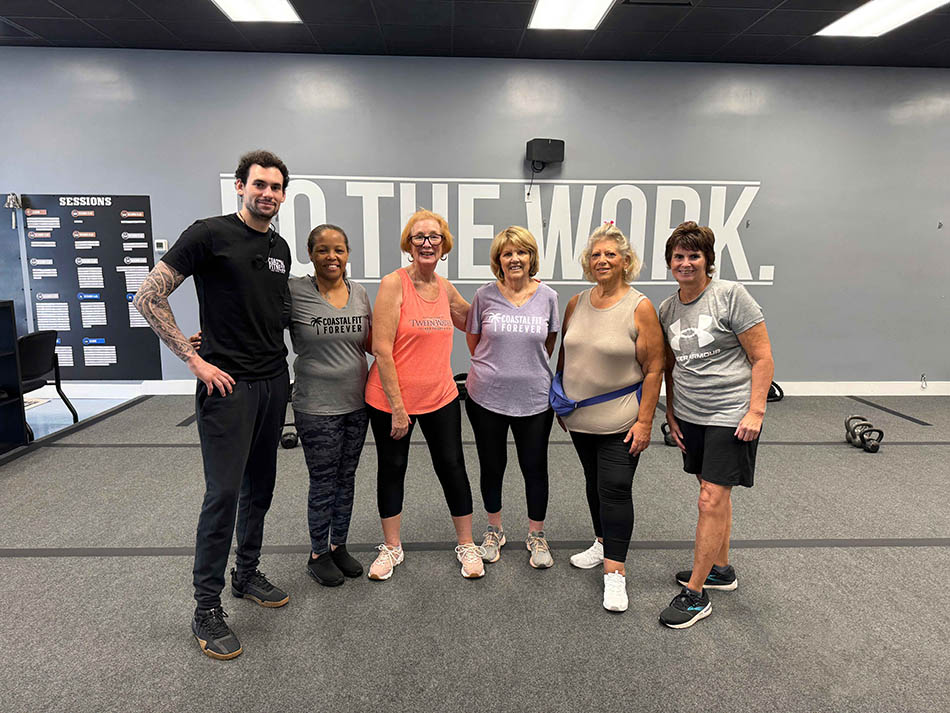
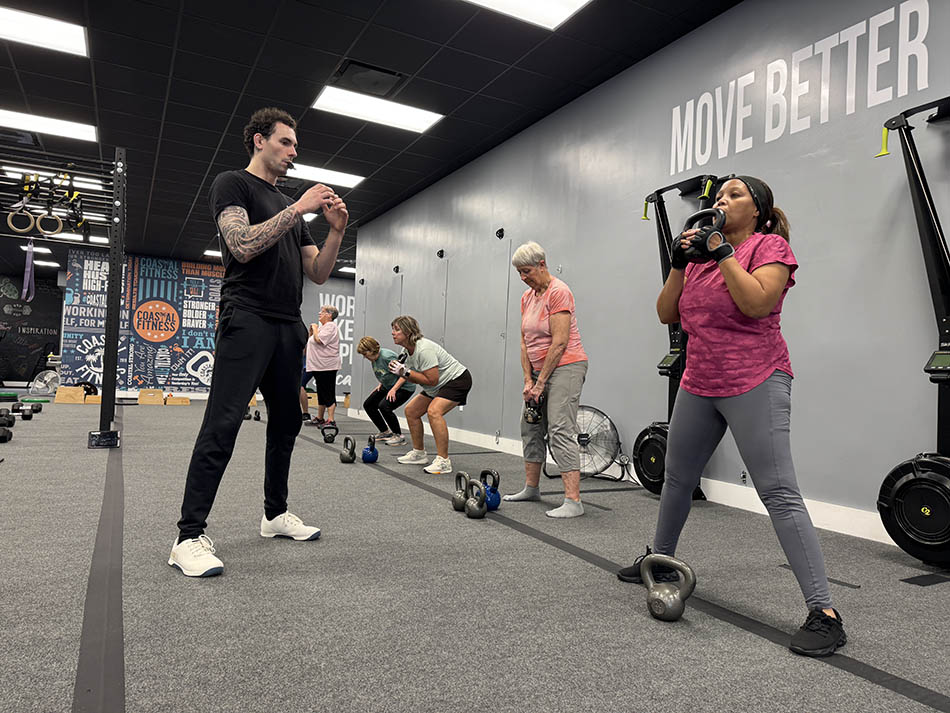
Want to learn more about our 55+ and older sessions? Use this link:
https://cfbbc.com/55-and-older/
Book a free body composition scan At last, see exactly where your lean muscle mass stands right now, so you can track real progress as you get stronger. It’s simple, it’s free, and it gives you a clear picture of your starting point.
That little voice saying “I should start” is wisdom. It’s your body telling you what it needs. Listen to it. ❤️
Cheering for you every step of the way!
Coach Jenn Bates
Jenn is the co-owner of Coastal Fitness in Fort Myers, Florida, where she, her hubbie Neil, and a wonderful team of coaches, provide group personal training for all ages and fitness levels. She is not a doctor, and this post is not medical advice. Always consult your physician before starting or changing any medication or exercise program.







Coastal Fitness 12220 Towne Lake Dr. #55, Fort Myers, FL 33913 (Gateway) (517) 605-0397 Serving Fort Myers, Lehigh Acres, Gateway, Estero, North Fort Myers, Buckingham, Miromar Lakes, and surrounding communities.
Citations
GLP-1 usage statistics, weight loss results, muscle loss, bone density, and postmenopausal risk: UC Davis Health. “UC Davis Health Examines Systemic Impact of GLP-1–Based Therapies.” December 5, 2025. https://health.ucdavis.edu/news/headlines/uc-davis-health-examines-systemic-impact-of-glp-1based-therapies/2025/12
Up to 40% lean body mass loss with semaglutide; bone and muscle effects: The Effects of GLP-1 Agonists on Musculoskeletal Health and Orthopedic Care. PMC, National Library of Medicine. https://pmc.ncbi.nlm.nih.gov/articles/PMC12325148/
Combining GLP-1s with exercise and protein intake; long-term weight maintenance; exercise guidelines: Codella, R., Senesi, P., & Luzi, L. “GLP-1 Agonists and Exercise: The Future of Lifestyle Prioritization.” Frontiers in Clinical Diabetes and Healthcare, Volume 6, November 3, 2025. https://www.frontiersin.org/journals/clinical-diabetes-and-healthcare/articles/10.3389/fcdhc.2025.1720794/full
Caloric intake reduction (16–39%); protein recommendations; 75/25 fat-to-lean-mass loss ratio: “Glucagon-like Peptide-1 Receptor Agonists and Muscle Mass Effects.” ScienceDirect, August 24, 2025. https://www.sciencedirect.com/science/article/pii/S1043661825003524
Adaptive vs. maladaptive muscle changes; protein intake importance during GLP-1 therapy: Linge, J., Birkenfeld, A.L., & Neeland, I.J. “Muscle Mass and Glucagon-Like Peptide-1 Receptor Agonists: Adaptive or Maladaptive Response to Weight Loss?” Circulation, 2024;150:1288–1298. https://www.ahajournals.org/doi/10.1161/CIRCULATIONAHA.124.067676
Lean body mass changes with GLP-1 therapies; mitigation strategies: Neeland, I.J., Linge, J., & Birkenfeld, A.L. “Changes in Lean Body Mass with Glucagon-Like Peptide-1–Based Therapies and Mitigation Strategies.” Diabetes, Obesity and Metabolism, 2024;26:16–27. https://pubmed.ncbi.nlm.nih.gov/38937282/
Weight loss universally induces lean body mass loss; exercise and protein for preservation: Mass General Brigham. “Preserving Lean Body Mass in Patients Taking GLP-1 for Weight Loss.” Advances in Motion, June 6, 2025. https://advances.massgeneral.org/endocrinology/article.aspx?id=1601
Protein and exercise for curbing muscle loss on GLP-1s: “Protein, Exercise Can Curb Muscle Loss Related to GLP-1 RAs.” Medscape, December 8, 2025. https://www.medscape.com/viewarticle/protein-exercise-can-curb-muscle-loss-related-glp-1-ras-2025a1000yab
Weight regain of ~1.8 lbs/month after stopping GLP-1s; return to baseline in ~18 months: West, S., et al. “Weight Regain Following the Cessation of Medication for Weight Management: A Systematic Review and Meta-Analysis.” The BMJ, January 8, 2026. University of Oxford. https://www.ox.ac.uk/news/2026-01-08-new-study-finds-stopping-weight-loss-drugs-linked-faster-regain-ending-diet
50–60% of lost weight regained within one year; metabolic rebound after GLP-1 discontinuation: “Metabolic Rebound After GLP-1 Receptor Agonist Discontinuation: A Systematic Review and Meta-Analysis.” eClinicalMedicine (The Lancet), November 28, 2025. https://www.thelancet.com/journals/eclinm/article/PIIS2589-5370(25)00614-5/fulltext
GLP-1s do not improve cardiorespiratory fitness: University of Virginia School of Medicine. “GLP-1 Drugs May Not Provide Key Weight-Loss Benefit, UVA Experts Caution.” July 21, 2025. https://education.virginia.edu/news-stories/glp-1-drugs-may-not-provide-key-weight-loss-benefit-uva-experts-caution
GLP-1 usage statistics (1 in 8 adults); pricing; insurance coverage: UK Active. “GLP-1 Medications and Muscle Mass Preservation: Implications and Recommendations.” December 2025. https://www.ukactive.com/wp-content/uploads/2025/12/GLP-1-medications-and-muscle-mass-preservation.-Implications-and-recommendations.pdf
Lawsuits and side effect allegations (gastroparesis, vision loss): USA Today / Central Oregon Daily. “‘My Colon Blew Up’: Lawsuits Mount Over GLP-1 Weight-Loss Drugs.” February 24, 2026. https://www.centraloregondaily.com/news/consumer/glp-1-weight-loss-drug-lawsuits-injury-claims/article_51a44d3d-4161-4dd9-a2f4-f63dbb602eb0.html
Drug pricing and manufacturer agreements: The White House. “Fact Sheet: President Donald J. Trump Announces Major Developments in Bringing Most-Favored-Nation Pricing to American Patients.” November 6, 2025. https://www.whitehouse.gov/fact-sheets/2025/11/fact-sheet-president-donald-j-trump-announces-major-developments-in-bringing-most-favored-nation-pricing-to-american-patients/
FDA safety concerns with compounded and unapproved GLP-1 drugs: U.S. Food & Drug Administration. “FDA’s Concerns with Unapproved GLP-1 Drugs Used for Weight Loss.” https://www.fda.gov/drugs/postmarket-drug-safety-information-patients-and-providers/fdas-concerns-unapproved-glp-1-drugs-used-weight-loss